SQLite3.dll是一个动态链接库,它是SQLite数据库的核心部分,用于在Windows操作系统上实现SQLite数据库的功能,SQLite是一个轻量级的数据库,它的整个数据库就是一个磁盘文件,可以直接使用C/C++等编程语言进行操作,下面将详细介绍如何使用SQLite3.dll。
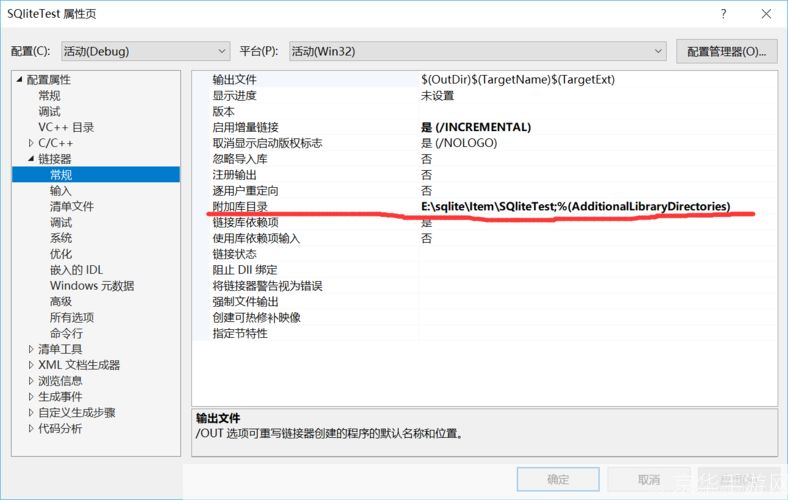
1、下载和安装SQLite3.dll
你需要从SQLite官方网站下载SQLite3.dll文件,下载完成后,将其解压到一个合适的位置,例如C:sqlite。
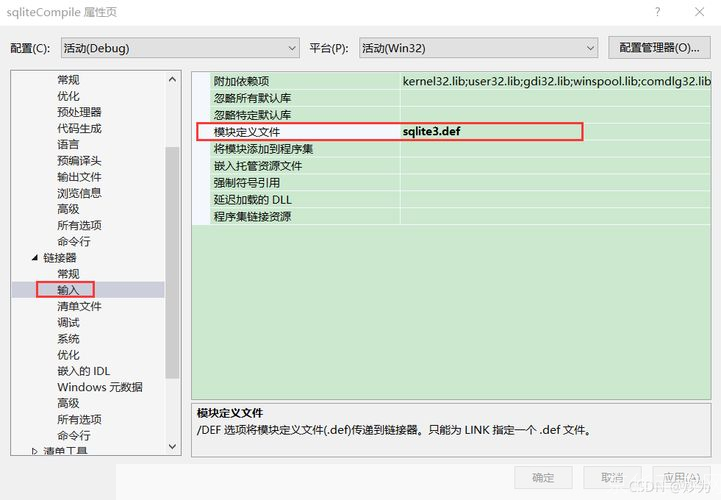
2、创建数据库
在使用SQLite3.dll之前,你需要创建一个数据库,可以使用以下代码创建一个名为test.db的数据库:
#include <iostream>
#include "sqlite3.h"
int main() {
    sqlite3 *db;
    int rc = sqlite3_open("test.db", &db);
    if (rc) {
        std::cerr << "Can't open database: " << sqlite3_errmsg(db) << std::endl;
        return 0;
    } else {
        std::cout << "Opened database successfully" << std::endl;
    }
    sqlite3_close(db);
    return 0;
}
3、执行SQL语句
要执行SQL语句,你需要使用sqlite3_exec函数,以下是一个简单的示例,用于创建一个名为students的表:
#include <iostream>
#include "sqlite3.h"
int main() {
    sqlite3 *db;
    char *zErrMsg = 0;
    int rc;
    const char *sql;
    rc = sqlite3_open("test.db", &db);
    if (rc) {
        std::cerr << "Can't open database: " << sqlite3_errmsg(db) << std::endl;
        return 0;
    } else {
        std::cout << "Opened database successfully" << std::endl;
    }
    sql = "CREATE TABLE students (id INT PRIMARY KEY NOT NULL, name TEXT NOT NULL, age INT NOT NULL);";
    rc = sqlite3_exec(db, sql, NULL, 0, &zErrMsg);
    if (rc != SQLITE_OK) {
        std::cerr << "SQL error: " << zErrMsg << std::endl;
        sqlite3_free(zErrMsg);
    } else {
        std::cout << "Table created successfully" << std::endl;
    }
    sqlite3_close(db);
    return 0;
}
4、查询数据
要查询数据,你可以使用SELECT语句,以下是一个简单的示例,用于查询students表中的所有数据:
#include <iostream>
#include "sqlite3.h"
#include <string>
#include <vector>
#include <sstream>
#include <iomanip>
#include <iterator>
#include <algorithm>
#include <tuple>
#include <map>
#include <set>
#include <functional>
#include <memory>
#include <chrono>
#include <thread>
#include <mutex>
#include <condition_variable>
#include <atomic>
#include <random>
#include <ctime>
#include <cassert>
#include <cmath>
#include <cstdlib>
#include <cstdio>
#include <cstring>
#include <climits>
#include <cfloat>
#include <cassert>
#include <cerrno>
#include <csignal>
#include <csetjmp>
#include <cstdarg>
#include <typeinfo>
#include <type_traits>
#include <bitset>
#include <complex>
#include <valarray>
#include <tuple>
#include <regex> // for std::regex_match and std::regex_search functions in C++11 and later versions of the standard library.